What a Professional Roof Inspection Service Actually Entails
After fifteen years in the roofing trade, I have seen what happens when a homeowner skips a proper inspection. A small leak becomes a collapsed deck. A missing shingle turns into five thousand dollars in interior damage. The truth is that most roof problems start small and quietly. A thorough roof inspection service catches them before they become emergencies.
I have walked roofs in August heat and January freezes. I have crawled through attics with a flashlight and a moisture meter. What I describe here comes from that kind of real work, not from a sales brochure. If you own a home in a place like Austin, where sun and storms both hit hard, you need to know what a good inspection actually covers.
What a Roof Inspection Service Looks Like in Practice
A proper roof inspection service is not a quick walk around the house with a pair of binoculars. It is a systematic evaluation of every component that keeps water out and structure stable. The inspector should start on the ground, looking at the overall profile of the roof, checking for sagging lines or uneven slopes. Then they get on the roof itself, if it is safe and accessible. That means wearing proper footwear, using a harness when needed, and following OSHA guidelines for working at height.
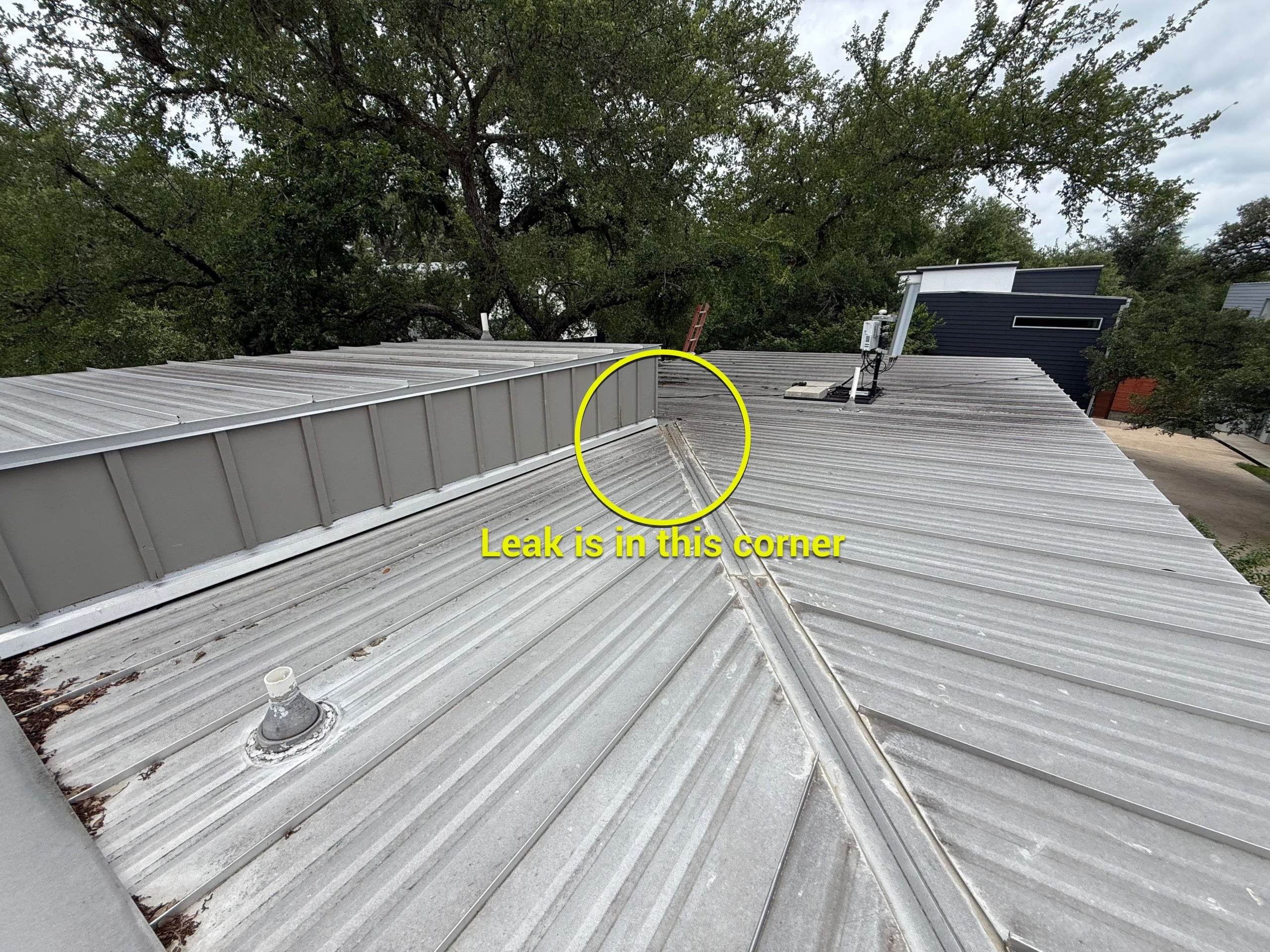
Once on the roof, the inspector checks flashings around chimneys, vents, and skylights. Those are the most common leak points. They look for cracked sealant, lifted metal, or gaps where water can sneak in. They examine the condition of shingles or tiles. For asphalt shingles, they check for curling, blistering, or granule loss. For tile roofs, they look for cracked or displaced pieces. The Tile Roofing Institute has clear standards for how tile should be installed and maintained, and a good inspector knows them.
Inside the Attic Matters as Much as the Roof Surface
Some inspectors skip the attic. That is a mistake. The underside of the roof deck tells you things the surface cannot. Stains, rot, and daylight showing through gaps are all signs of active or past leaks. Insulation condition matters too. Wet insulation loses its R-value and can lead to mold. A thorough inspection includes checking for proper ventilation and signs of rodent or insect damage.
In my experience, the attic walk-through is where you find the surprises. I once found a colony of bats living under a ridge vent that the surface inspection had missed entirely. That kind of discovery only happens when you get inside and look up.
Common Defects and What They Mean
Not every defect is an emergency, but every defect deserves attention. Here are the ones I see most often:
- Wind uplift damage. High winds can lift shingles or tiles, breaking the seal. Even if the material looks fine from the ground, the fasteners may be loose. This is especially common after a storm season.
- Flashing separation. Metal flashings around pipes and walls can pull away over time. The gap may be tiny, but water finds it.
- Granule loss on asphalt shingles. When the surface granules wear away, the underlying asphalt is exposed to UV. That accelerates aging and reduces the roof warranty.
- Ponding water on low slopes. Standing water after rain means poor drainage. Over time, that water works into seams and accelerates membrane degradation.
Each of these defects has a cause and a fix. A good inspection report does not just list problems. It explains what caused them and what options exist for repair.
When to Schedule a Roof Inspection
Most manufacturers of materials from GAF, Owens Corning, and CertainTeed recommend an annual inspection. That is the baseline. But certain events call for an immediate check. After a severe hailstorm, a wind event, or a wildfire in the area, you want an inspection even if you see no visible damage. Smoke and ash can corrode metal flashings and reduce the reflectivity of cool roofs. The City of Austin has guidelines for post-storm inspections, and many local contractors follow those recommendations.
If you are buying or selling a home, a roof inspection service is non-negotiable. Lenders and the Texas Department of Insurance may require documentation of roof condition before closing. A clean inspection report can also speed up the process of getting a roof warranty transfer or a new roof repair estimate.
Technology Has Changed Roof Inspections
Modern tools have made inspections more accurate. Infrared thermography, for example, detects hidden moisture under the roof membrane. A thermal camera shows temperature differences that indicate wet insulation or trapped water. Drone inspection has become common for steep or high roofs that are dangerous to walk. A drone with a high-resolution camera can capture images of every shingle and flashing. But drones have limits. They cannot feel for soft spots or check fastener tightness. The best inspections combine ground-level observation, drone footage for hard-to-reach areas, and hands-on checking where possible.
The National Roofing Contractors Association and the IRI (International Roofing Institute) both publish standards for inspection methods. A contractor who follows those standards is likely to give you a thorough evaluation. Ask whether they use infrared or drone inspection before you book. If they say no, that is not necessarily bad. Many excellent inspectors rely on experience and a good pair of eyes. But if your roof is complex or very steep, those tools add real value.
What a Good Report Should Include
After the inspection, you should receive a written report. It should include photographs of every defect, a description of the issue, and a recommended course of action. The report should also note areas that are in good condition. Not everything needs repair. An honest inspector tells you what is fine and what needs work.
The report should also reference the expected remaining life of the roof covering. If your asphalt shingles are twenty years old and show significant granule loss, you might need a full replacement. If the flashing is failing but the shingles are sound, a targeted repair may be enough. The Texas Department of Insurance has specific requirements for windstorm inspections in some areas, and the report should note compliance if applicable.
Finding a Reliable Inspector
You want someone with a track record. Check their Google Business Profile for reviews. Look at their rating on HomeAdvisor and Angi. See if they are listed with the Better Business Bureau. Ask whether they carry liability insurance and workers' compensation. A legitimate contractor will provide proof. Ask for references and call them. Most homeowners are happy to tell you about their experience.
A good inspector should also be familiar with local codes and climate. For example, in Austin, the combination of intense sun and occasional hail means roofs age differently than they do in cooler climates. An inspector who knows the area will look for UV damage and impact marks from hail. They will also know how Austin Energy's rebate programs for reflective roofs work, because a good inspection can help you qualify for those incentives.
How Much a Roof Inspection Service Costs
Prices vary widely. A basic inspection from a roofer might run between one hundred and three hundred dollars. A more detailed evaluation using infrared thermography or drone inspection can cost more. Some contractors offer a free roof inspection service as part of a larger estimate for repairs. That can be a good deal, but make sure the inspection is thorough and not just a quick look designed to sell you something you do not need.
If you are shopping for an inspection, get at least two quotes. Compare what each inspector plans to check. The cheapest option is not always the best value if they skip the attic or do not use a moisture meter. The most expensive one may be overkill for a simple roof. Look for someone who matches the complexity of your roof with the right level of effort.
Final Thoughts
A roof inspection service is not a luxury. It is basic maintenance for one of the most expensive parts of your home. The cost of an inspection is small compared to the cost of a major leak repair or a premature replacement. If you catch problems early, you extend the life of your roof and avoid emergency calls that come with premium rates.
The best time to schedule an inspection is before you need one. If you wait until you see a water stain on the ceiling, the damage is already done. Make it a habit. Get your roof checked every year, after any major storm, and before you list your house for sale. A good inspector will give you peace of mind and a clear plan for what to do next.
Ends · MYROOFINSPECTIONSERVICE